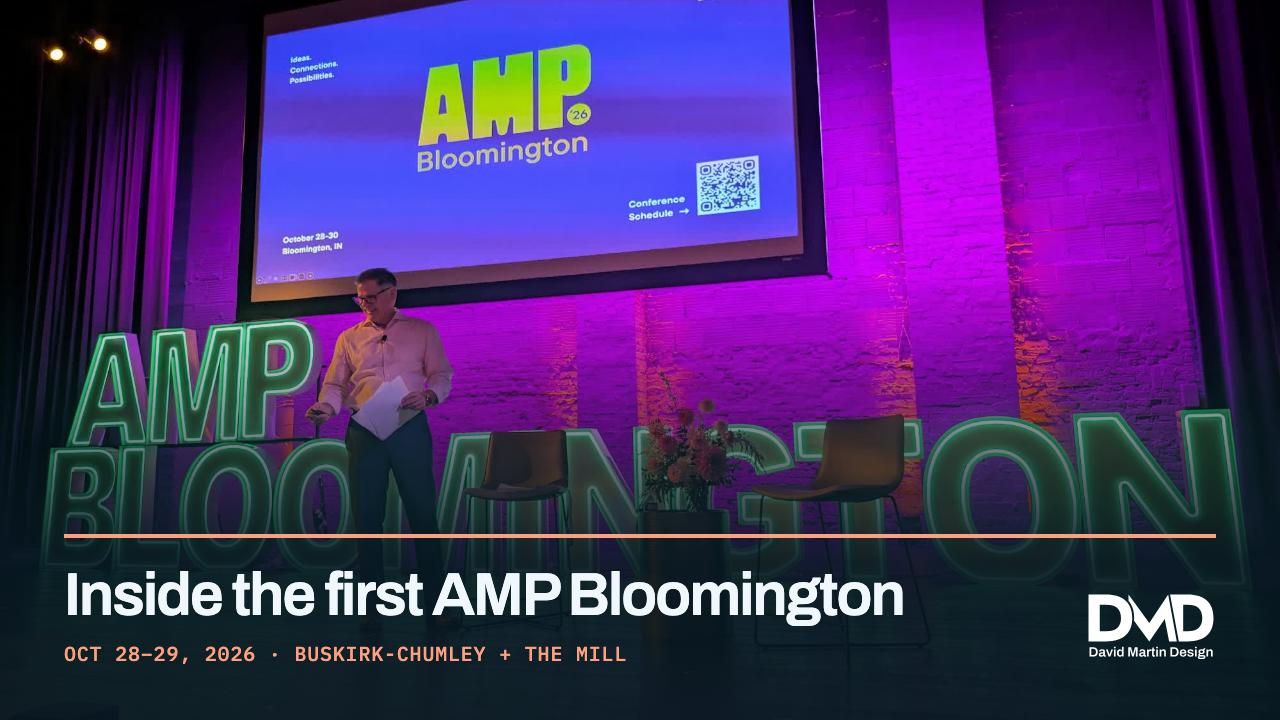
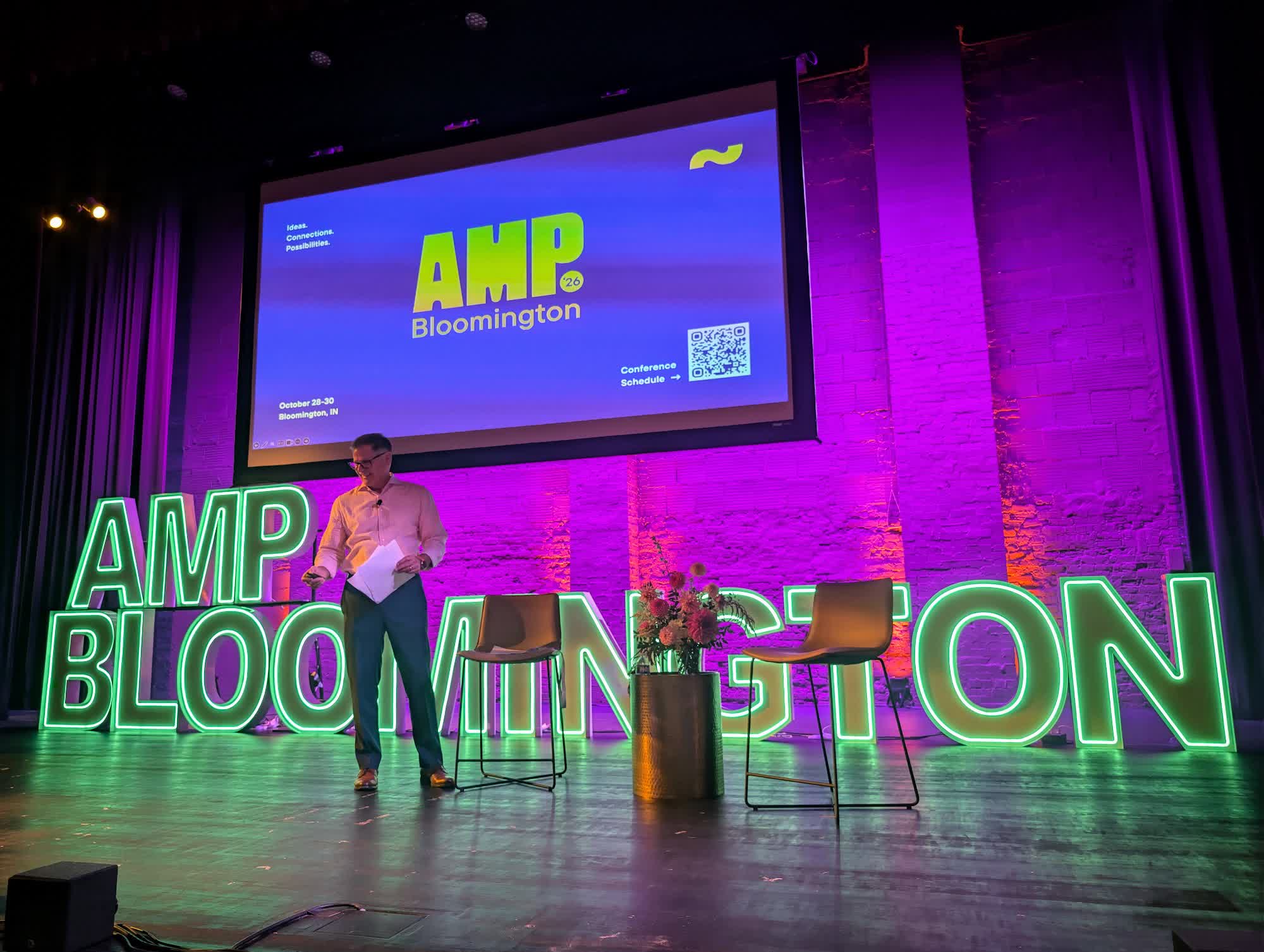
On October 28, I sat in the Buskirk-Chumley Theater and watched Bloomington get a little more sure of itself.
Amplify Bloomington launched AMP Bloomington this year, a three-day event running October 28 to 30, and I spent two of those days there. The first was the main program at the Buskirk-Chumley. The second was the IN AI Roadshow at The Mill, where I wound up building something I did not plan to build.
Day one: the main stage
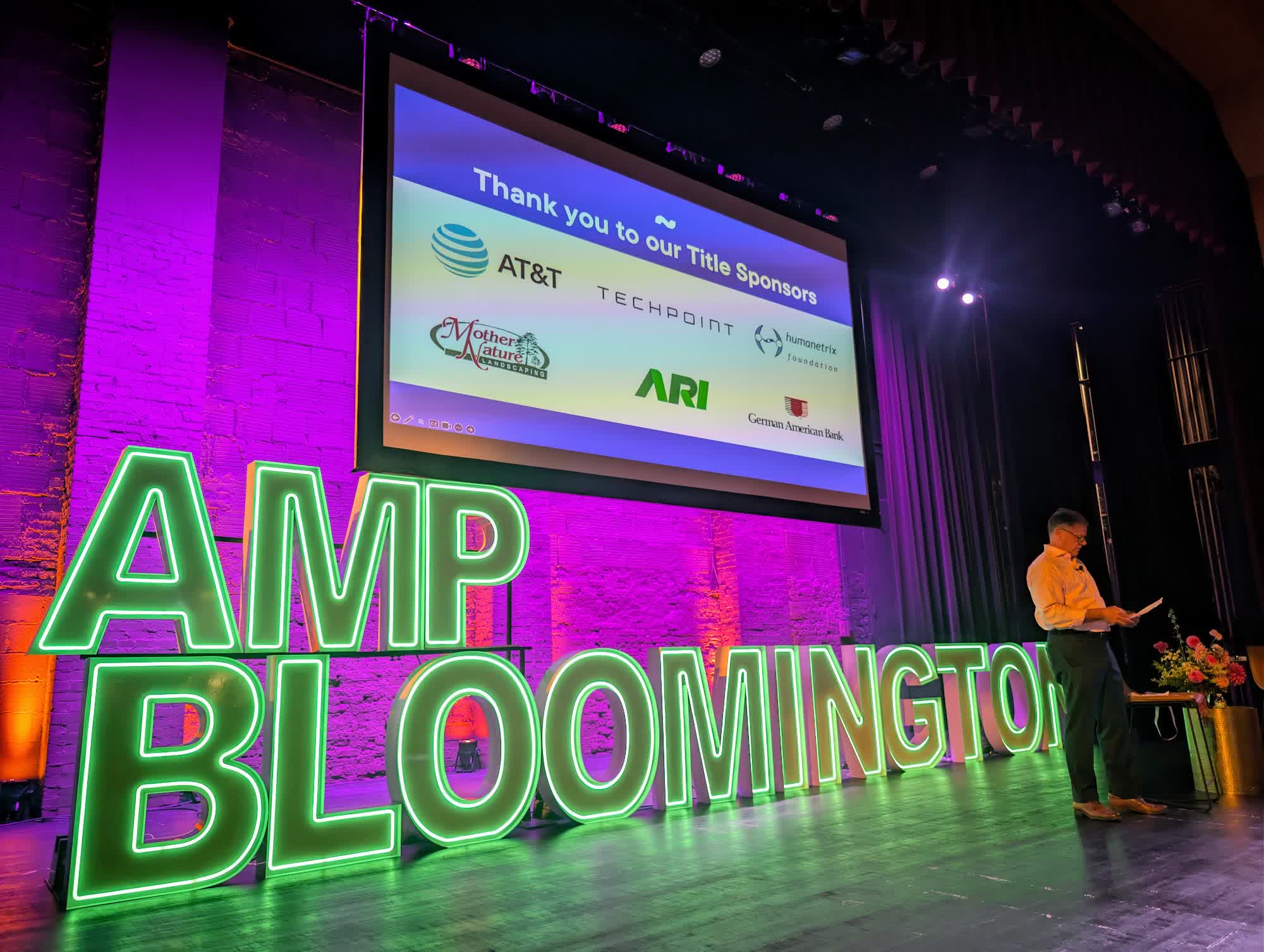
The program opened with a thank-you to the title sponsors, then moved into the speakers.
John Fernandez, former mayor of Bloomington and CEO of Amplify Bloomington, talked about building here, with a view from both city hall and the organization he now leads.
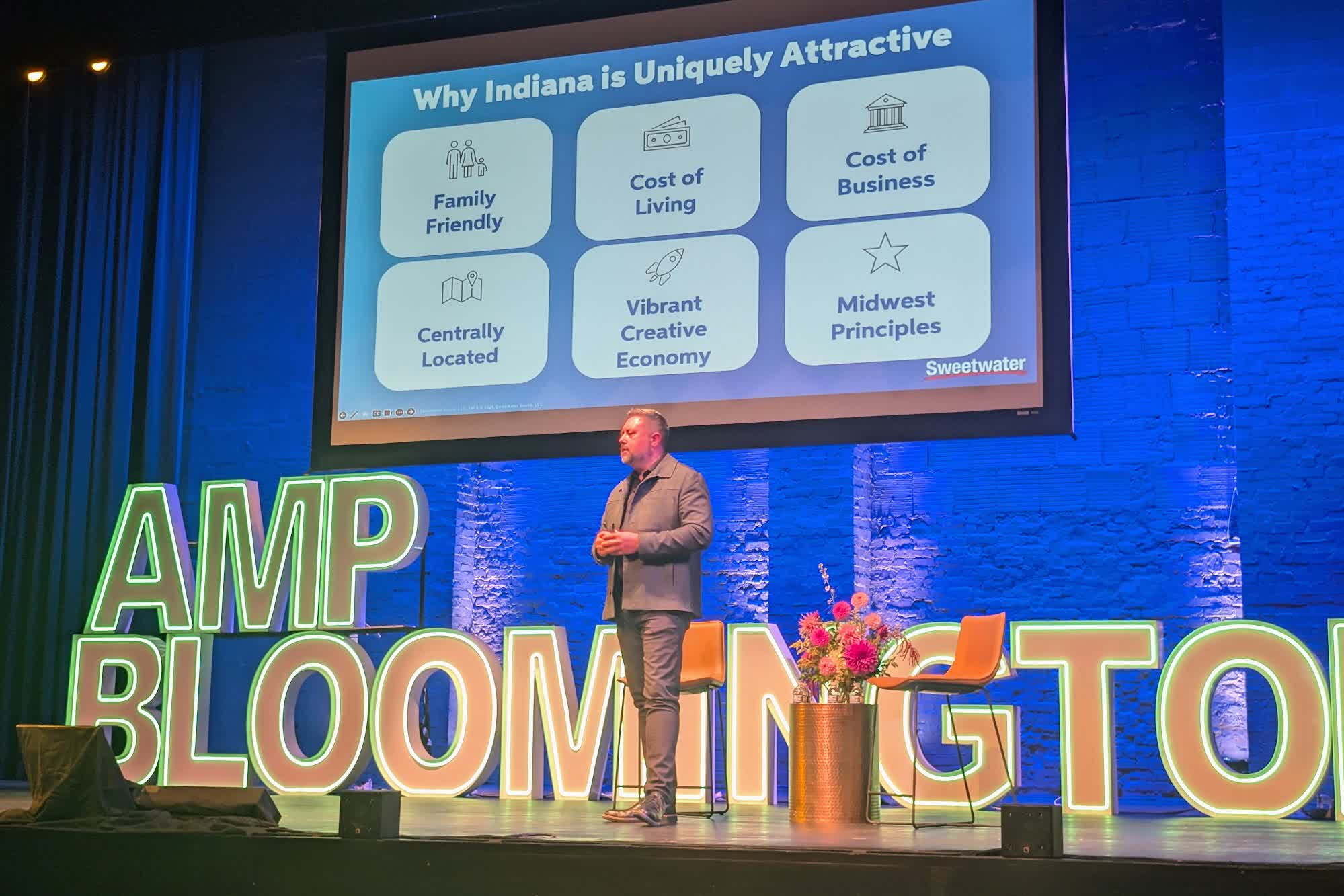
Mike Clem, CEO of Sweetwater, talked about company culture and the history of building a world-class company in Fort Wayne. A slide on why Indiana is an attractive place to build a business listed family friendly, cost of living, cost of business, centrally located, a vibrant creative economy and Midwest principles. That last one is a good reminder that you do not have to be on a coast to do ambitious work.
Brian Kelsey of Heartland Forward gave the numbers side of the story. Kelsey made the case that Bloomington, statistically, could be doing better. The point I took away is that the amount of investment coming into Bloomington should reflect the number of people who live here. Right now it does not.
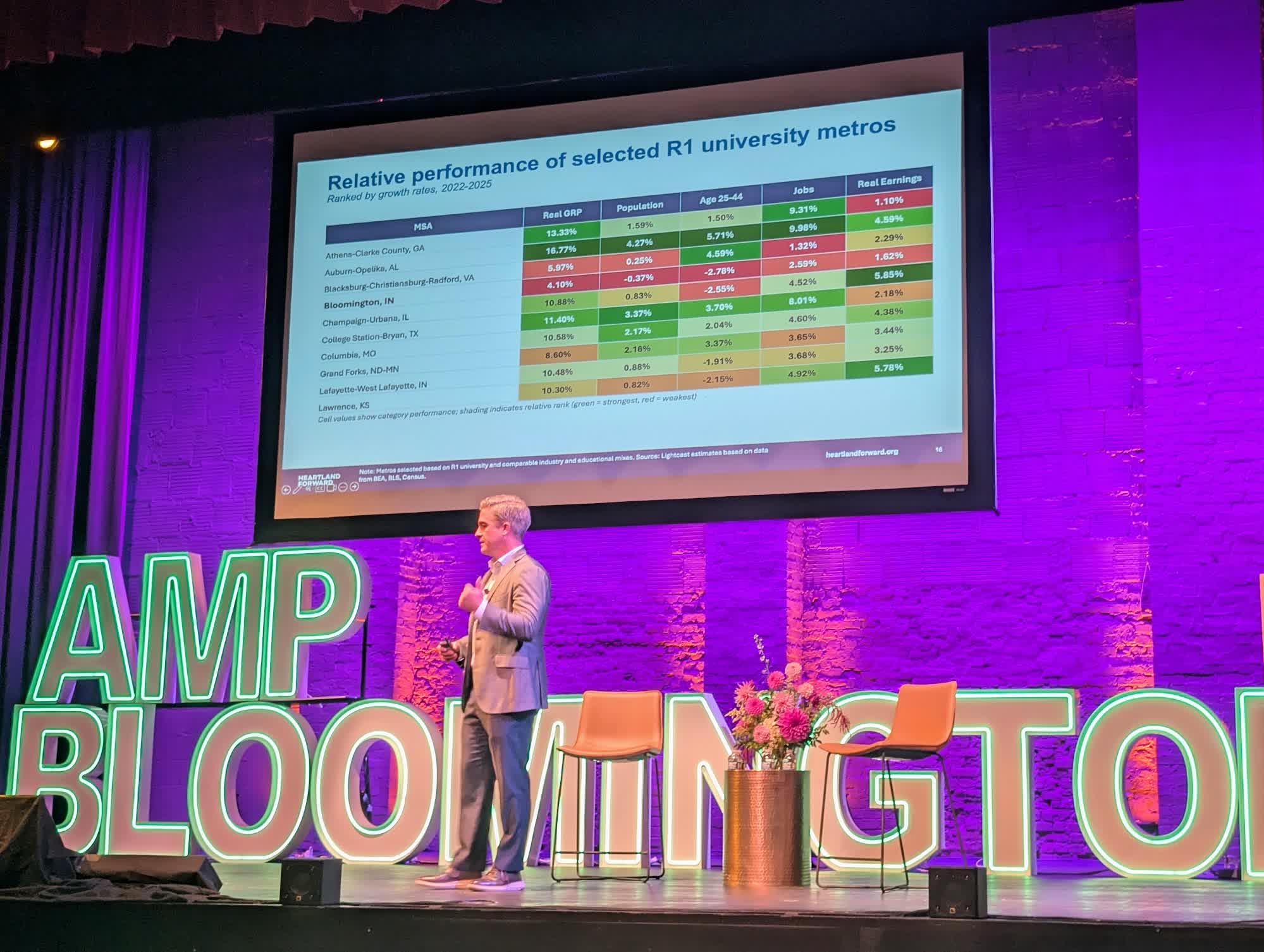
I like a speaker who puts your own town in the table.
A short video covered the READI grant and what it means for creators. The details are on the City of Bloomington's announcement. A $3 million READI 2.0 Arts and Culture grant from the Indiana Economic Development Corporation, matched by more than $4 million in local and regional support, is funding the Uplands Regional Creative Economy Commons. The plan includes 12 affordable artist studios at the Showers Administration Building, business training for creative entrepreneurs delivered with Amplify Bloomington, and more regional programming at Switchyard Park. For anyone who makes things for a living here, that is real news.
The fireside chat that stayed with me
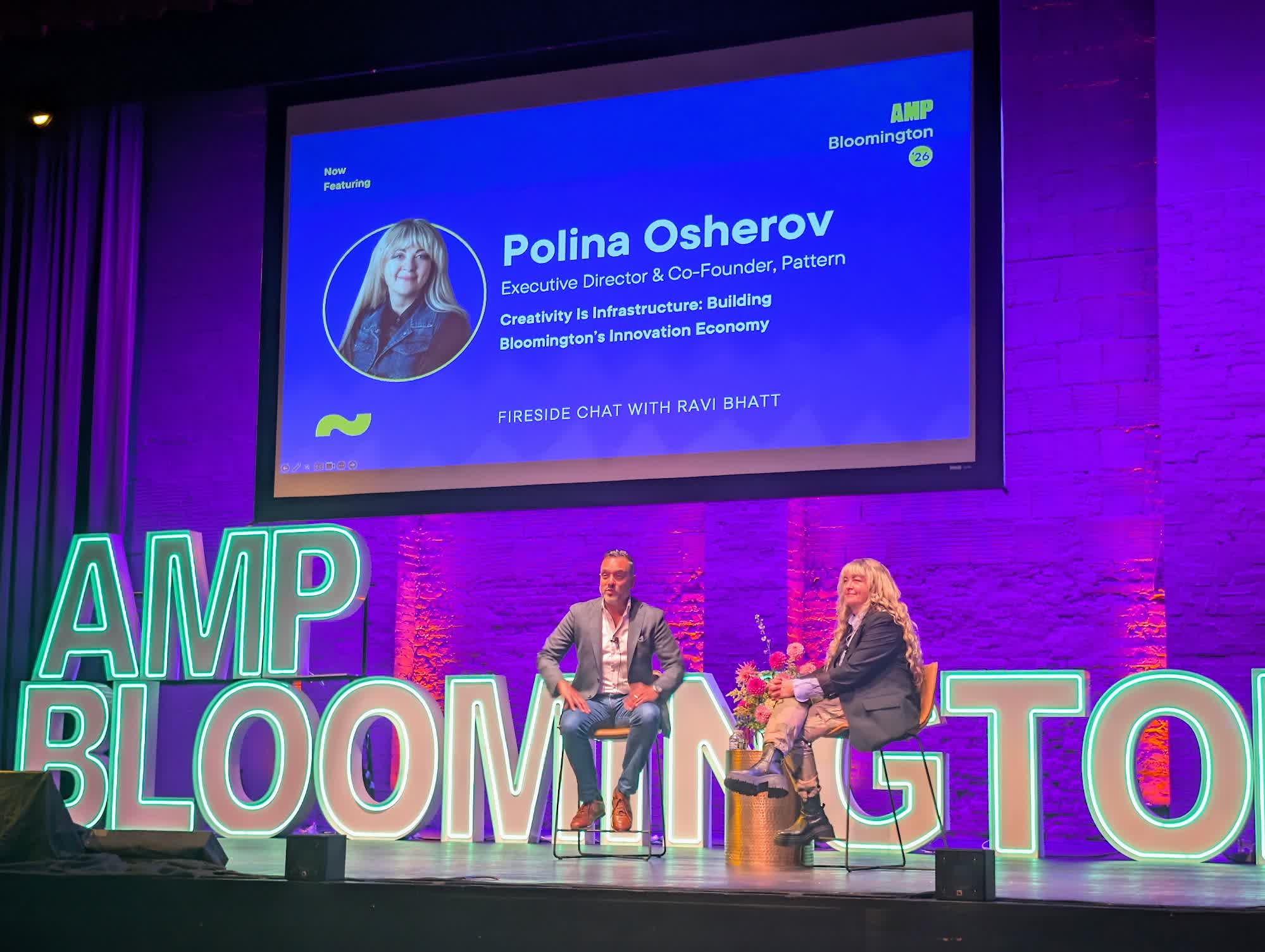
Ravi Bhatt sat down with Polina Osherov, Executive Director and Co-Founder of Pattern, under the title “Creativity Is Infrastructure.” I got the most out of hearing her talk about the missteps she made along the way. Hearing the wrong turns and what she learned from them was more useful to me than a polished success story.
The thread through her answers was that building a community and a culture makes a difference.
Day two: IN AI at The Mill
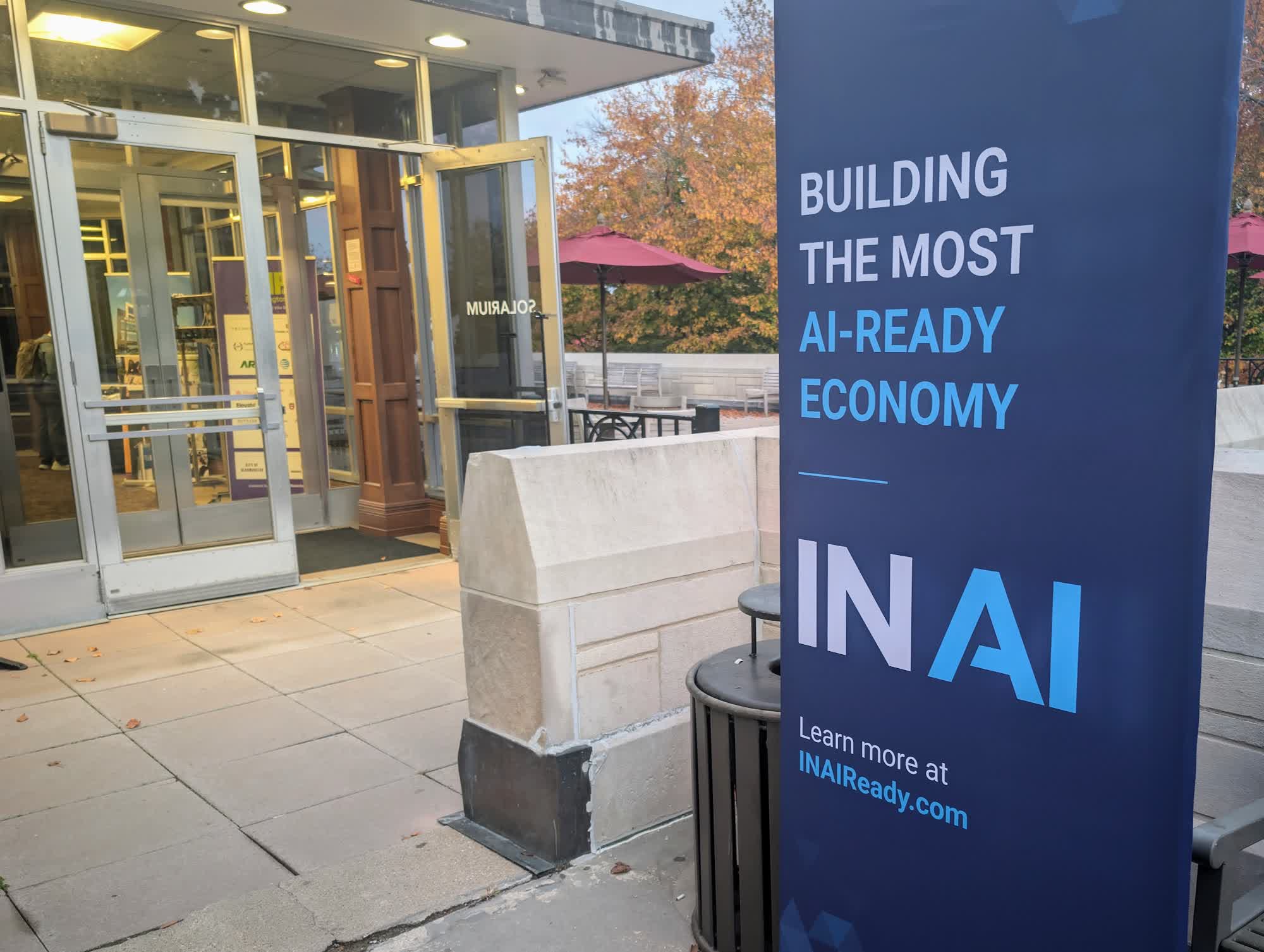
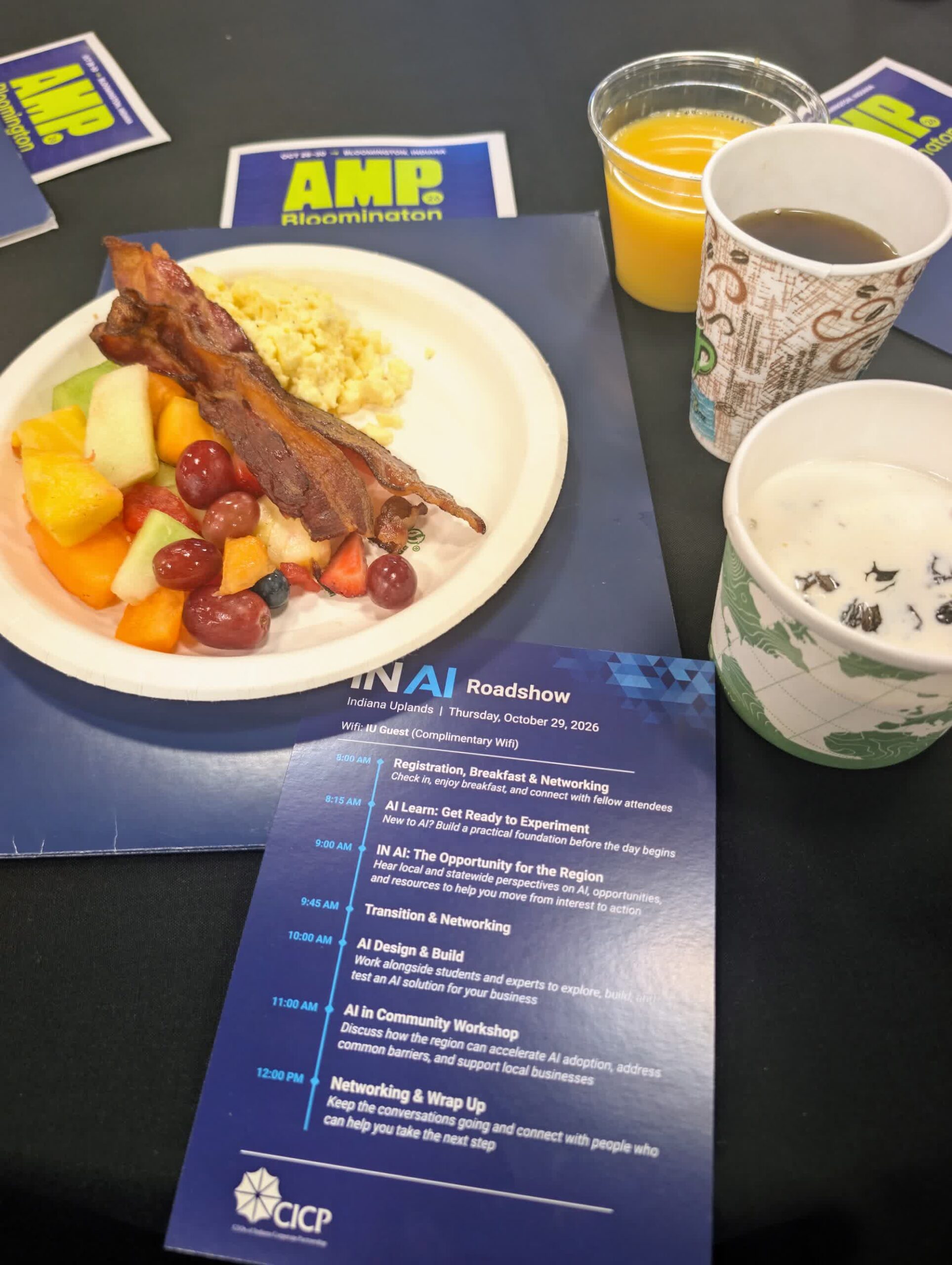
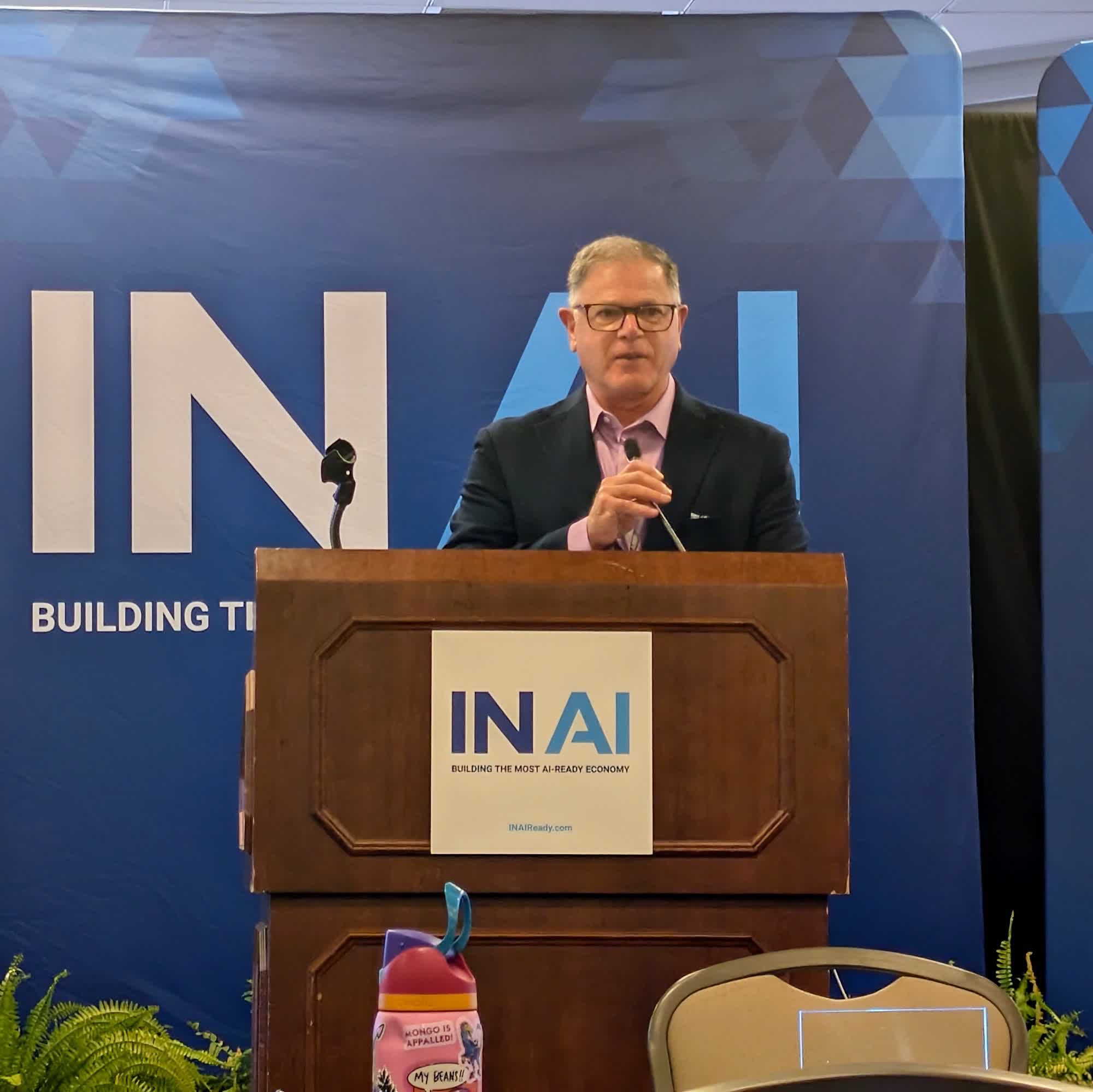
On Thursday the program moved to The Mill for the IN AI Roadshow, a full day about what AI means for Indiana's economy, schools and small businesses. Breakfast, a morning of talks, a hands-on build session and a community workshop filled the agenda.
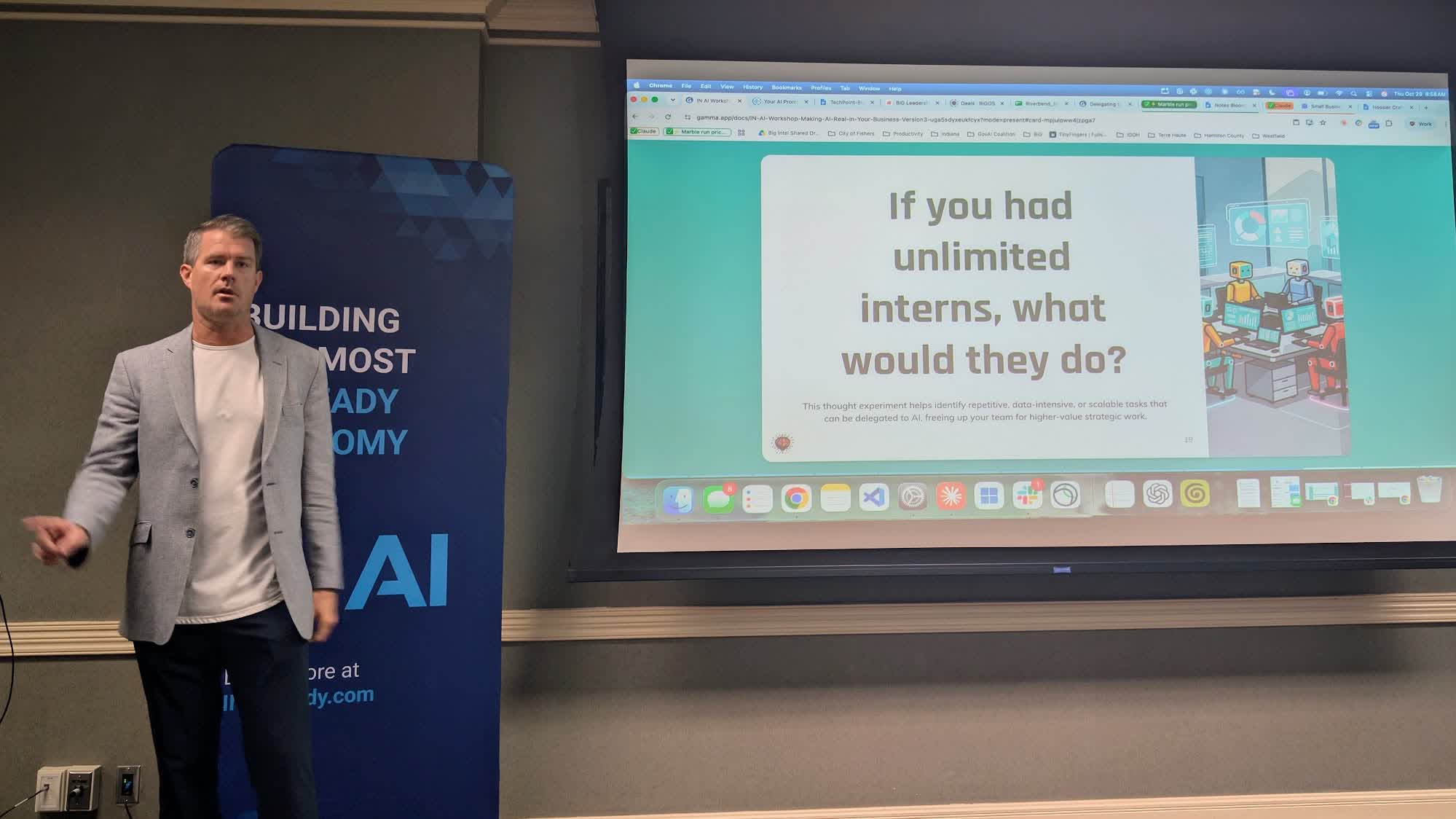
Colin Stauffer, who helps organizations cut through the AI noise, framed the morning with one slide that asked: if you had unlimited interns, what would they do? It is a simple way to think about delegating work to AI. The roadshow pointed people to the AI Adoption Hub for more.
At our table, the conversation drifted to getting AI into chambers, schools and universities, and to students who learn by chasing real problems instead of memorizing for a test. We also talked about the lopsided way venture money flows. One person at the table pointed out that less than ten percent of it lands in the Midwest and South, which fit neatly with what Brian Kelsey had said the day before.
Builders from the stage
John Skolak of the Bloomington Chamber of Commerce taught The Builder's Room, which put people who had actually built things in front of us. The advice was practical.
Tyce Carmichael, Chief Growth Officer and Chief Information Officer at Weddle Bros. Construction Companies, took on a question many small companies face: how do you keep good security and a clean, normalized database? His answer was to make sure your data is good.
Katie Slavin of Needmore Coffee Roasters used Replit AI to build a coffee inventory hub. It starts with an inventory and a shopping list broken down by vendor and by cost, then works out what needs to be made, how many, and how many to take to Ivy Tech. Her team used it twice and saved staff 30 minutes. Her advice: start with one everyday problem, keep it simple, and tackle the base level before you move on.
Jennifer Borland built a customer database, with a reminder that fits my own week. If you are not listening to what your users want, AI makes it possible for them to go out and build it themselves.
Benedict Yiga, an alumnus of Future Wonder, talked about where AI helps: faster development, testing and rollout, and custom applications such as one that builds a company budget in real time while cutting errors in the financial data. He told us to spend your time on discovery and planning, because the more clearly you define what you want and how you will measure success, the less you redo later. He also said to make sure what you are doing matters, to be able to put a value on it, and to start with low-hanging fruit and scale up. His last point stuck with me: AI will always generate, so you steer it. It should help you carry out decisions, and it should not make them for you.
A breakout on feedback
I also joined a breakout called Feedback for Results. The slide credited Tatiana A. Kolovou of the Kelley School of Business as facilitator.
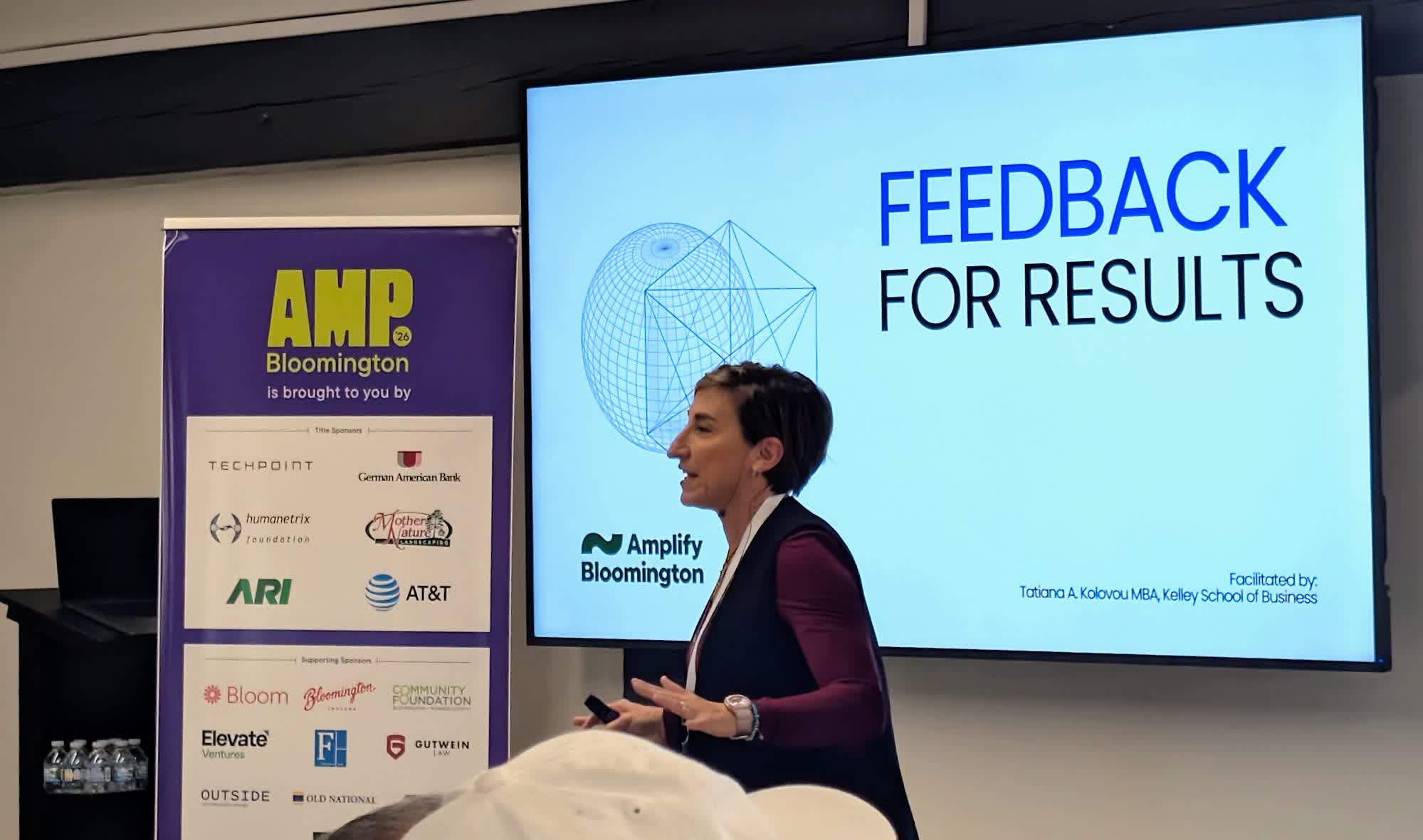
- Treat positive feedback like deposits in a bank account and constructive feedback like withdrawals. Healthy teams keep five positives in the account for every constructive note.
- Use the SBI model from the Center for Creative Leadership: Situation, Behavior, Impact. Describe what happened and what it caused, and skip the labels.
- Watch for the seagull effect, where a leader swoops in, makes noise, and leaves.
- Treat the conversation like a dance, not a boxing match.
- Practice hard conversations with an AI role-play tool before you have them for real.
We also paused to text a colleague about something they did that made our job easier. It is a small exercise, and it showed me how rarely I say that kind of thing.
I built a marketplace for Bloomington
During the hackathon build, I coded a marketplace feature for BloomingtonOnline.com with Patience Akpor, a master's student at Ball State. We had a working prototype in about an hour and put it on the live site the same day.
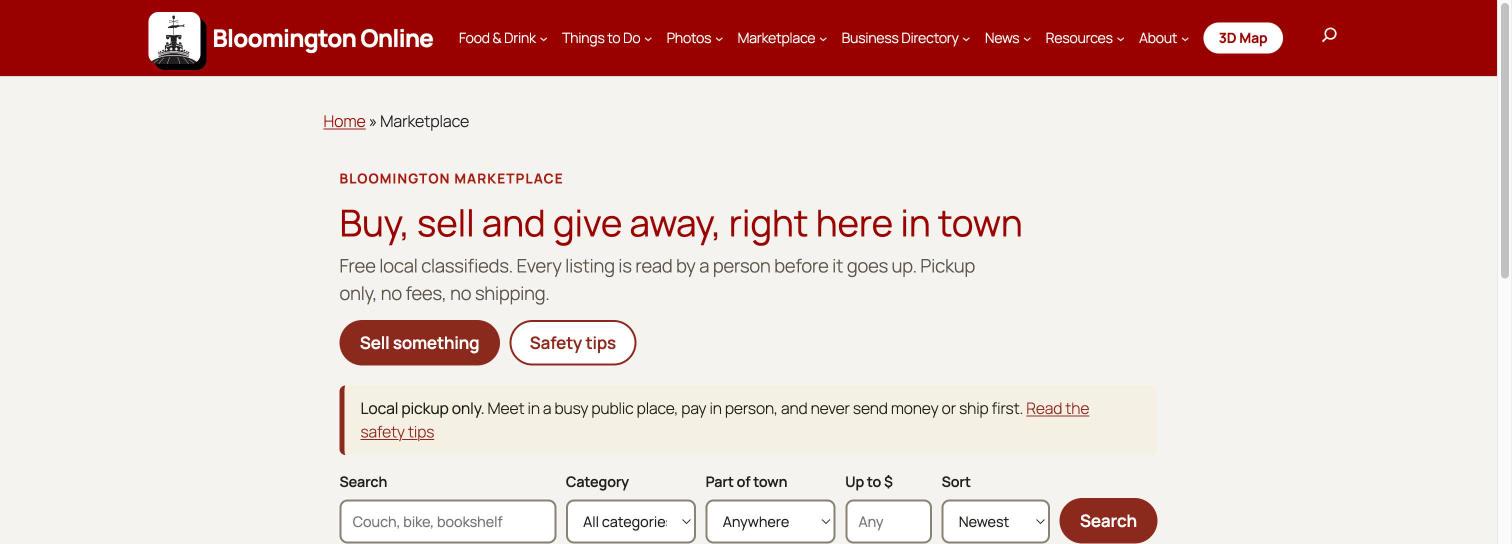
It is a free local classifieds board: buy, sell or give away things right here in town. The rules are short.
- Pickup only. No shipping, no fees.
- Every listing is read by a person before it goes up.
- No account to create. You list an item with your email, and a private link lets you manage it.
- Cloudflare Turnstile keeps the spammers out.
- Search by category, part of town and price.
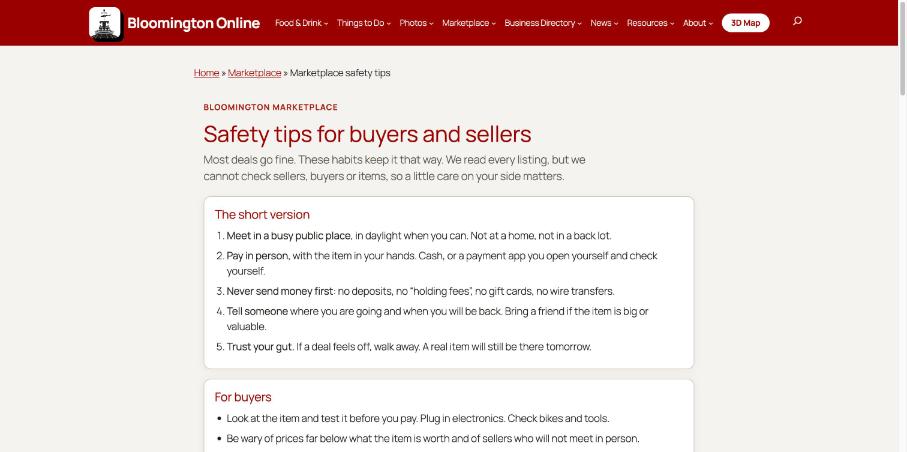
Trust is the hard part of any marketplace. Safe exchange zones came up in conversation, so I researched Bloomington's options. There is no official exchange zone here, so each listing now suggests a public meeting place, such as the library, and says plainly that these are suggestions and not endorsed by police. The site already has a safety tips page that says it plainly: meet in public, pay in person, never send money first.
Derek Elston said he would list his IU gear to help get things moving. Thank you, Derek. A marketplace with nothing in it is just a form, and the first few listings matter.
Derek also suggested monetizing it like Poshmark. It is a fair idea, and I told Derek I want to keep this as a shared commons project for now. I would like a place where neighbors can hand things to each other without a fee in the middle.
If you have something to list, go list it. If you break something, tell me.
The people
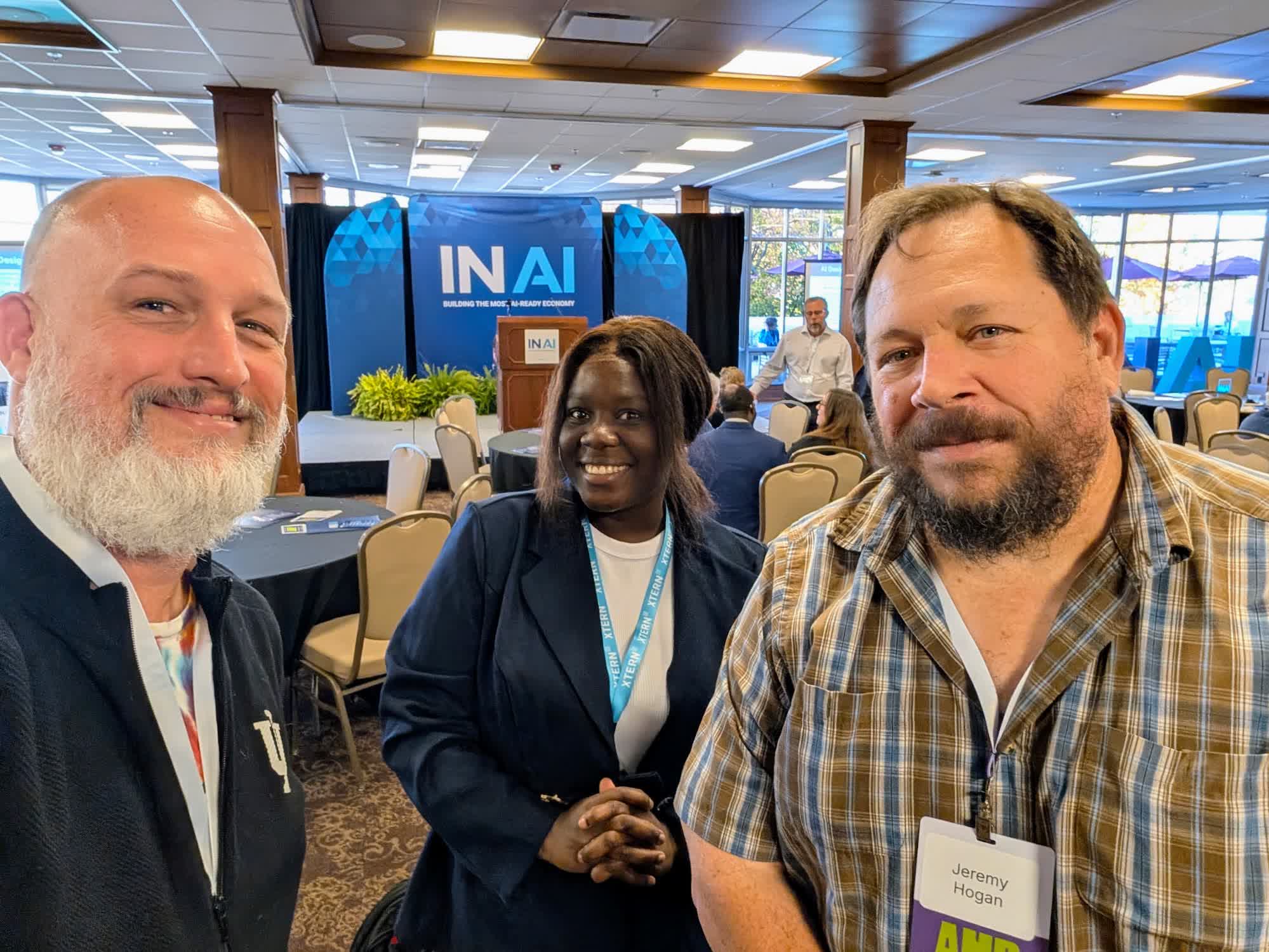
I had great conversations with Devi Kulkarni, Derek Elston, Katie Sensabaugh of the Bloomington Chamber of Commerce, and many others. At the IN AI Roadshow I sat with Jeremy Hogan, a photographer.
Simon Beverton of Future Wonder has been a great resource at The Mill and at Amplify Bloomington. He is someone I can bounce ideas off (one of his tips led to my post on reading your Claude Code history), and he freely shares his knowledge and opinions. He is a fellow Amplifier, or ambassador, with me at Amplify Bloomington, and a great part of our culture here.
Emmanuel Flomo and his partner run maano.ai, an AI company that offers service providers a customer service solution. They told me their idea and gave me their card. I will evaluate it to see whether some of my clients might benefit.
I also got time with Michael Betz, Jay Nelson, Mike Trotzke, Thorsteinn Sverrisson (Head of Marketing for Amplify Bloomington), John Skolak, Henly Wolin, Kevin Weaver, Chelsea Sanders, Tobey Wyatt and Taylor Dooley, a director of talent programs at TechPoint. I left with a solid list of follow-ups.
People were trading ideas, offering help and planning what comes next. Bloomington is building buzz, and it feels like something special is underway.
Congratulations to Amplify Bloomington and everyone who made this first one happen. I am already looking forward to the next.